
High blood pressure, also known as hypertension, is one of the most common yet dangerous health conditions worldwide. Often called the “silent killer,” it usually shows no obvious symptoms but significantly increases the risk of heart disease, stroke, and kidney problems. For millions of people, blood pressure medications play a critical role in maintaining heart health and preventing long-term complications.
In this guide, we’ll break down how blood pressure medications work, the different types available, common concerns like low blood pressure symptoms, and how lifestyle and natural support options can work alongside medical treatment.
Understanding Blood Pressure and Why It Matters
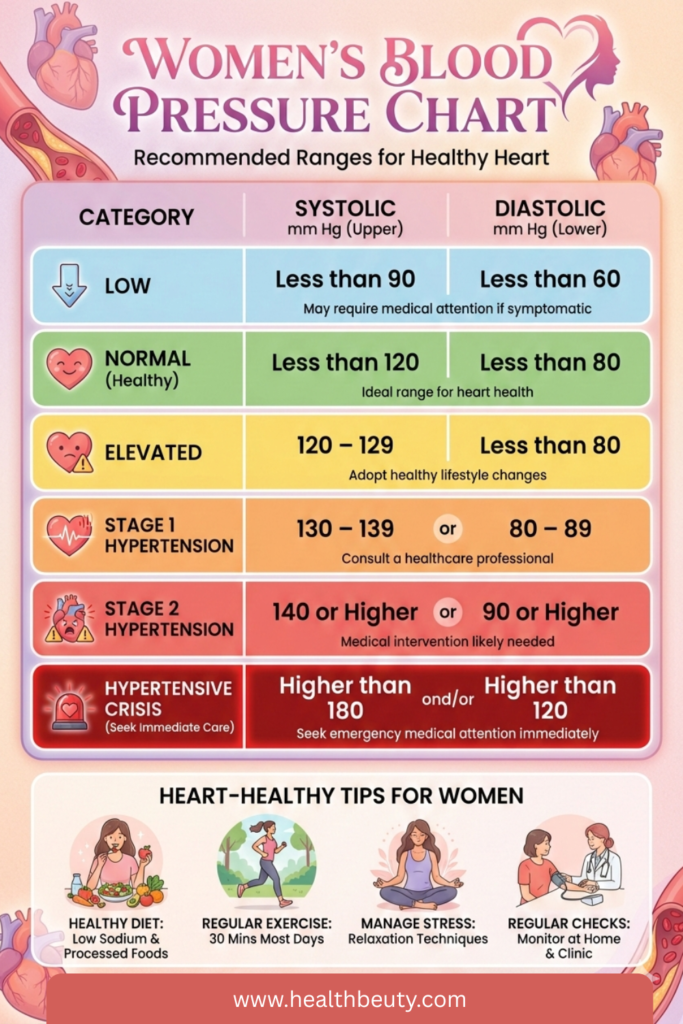
Blood pressure measures the force of blood pushing against artery walls. A normal blood pressure reading is typically around 120/80 mmHg. When readings consistently rise above this level, the heart must work harder, putting stress on arteries and vital organs.
Many people first understand their condition by reviewing a blood pressure chart for women or men, often during routine checkups, MRI scans, or other medical imaging tests. Early detection is key because untreated high blood pressure can silently damage blood vessels for years.
Blood Pressure chart women
How Blood Pressure Medications Work
Blood pressure medications help lower and control pressure by targeting different mechanisms in the body. Doctors prescribe them based on age, medical history, and individual risk factors.
Common Types of Blood Pressure Medications
-
Diuretics (Water Pills)
Help the body eliminate excess salt and water, reducing blood volume and pressure. -
ACE Inhibitors & ARBs
Relax blood vessels, making it easier for blood to flow and reducing strain on the heart. -
Calcium Channel Blockers
Prevent calcium from entering heart and artery muscle cells, keeping blood vessels relaxed. -
Beta-Blockers
Slow the heart rate and reduce the force of heart contractions.
Medical professionals rely on patient history, lab tests, and even medicine images or tablets medicine pics to ensure accurate prescriptions and proper usage.
Benefits of Blood Pressure Medications
✔ Reduce the risk of heart attack and stroke
✔ Protect kidneys and brain health
✔ Improve circulation and oxygen delivery
✔ Support long-term cardiovascular stability
For many patients, medication is not optional—it’s lifesaving.
Potential Side Effects & Low Blood Pressure Symptoms
While blood pressure medications are highly effective, some people may experience side effects, including:
-
Dizziness or fatigue
-
Headaches
-
Swelling in ankles
-
Low blood pressure symptoms such as fainting or weakness
This is why proper dosage, follow-ups, and medical billing documentation are essential for safe treatment. Never adjust or stop medication without consulting a healthcare professional.
Can Lifestyle Changes Support Blood Pressure Control?
Yes—medications work best when combined with healthy habits.
Heart-Healthy Lifestyle Tips
-
Reduce salt and processed foods
-
Maintain a healthy weight
-
Exercise regularly
-
Manage stress
-
Get adequate sleep
Medical research consistently shows that lifestyle changes improve blood pressure control and reduce dependence on higher medication doses.
Natural Support for Heart Health (Used Alongside Medication)
Many people now explore natural heart-support solutions to complement their prescribed treatment. These options do not replace medications but can help support circulation, oxygen levels, and overall cardiovascular wellness.
Certain supplements focus on:
-
Improving blood flow
-
Supporting nitric oxide production
-
Enhancing oxygen delivery
-
Boosting heart and vascular health
If you’re looking for a natural heart-support solution designed to work alongside a healthy lifestyle, you can learn more here:
👉 Supplements for high blood pressure
The Importance of Monitoring & Medical Imaging
Regular monitoring is essential for long-term success. Doctors may use tools such as:
-
Home BP monitors
-
Lab tests
-
MRI scans to assess organ health
-
Visual assessments (including unrelated checks like cancerous moles during routine exams)
Consistent tracking helps catch issues early and ensures treatment remains effective.